


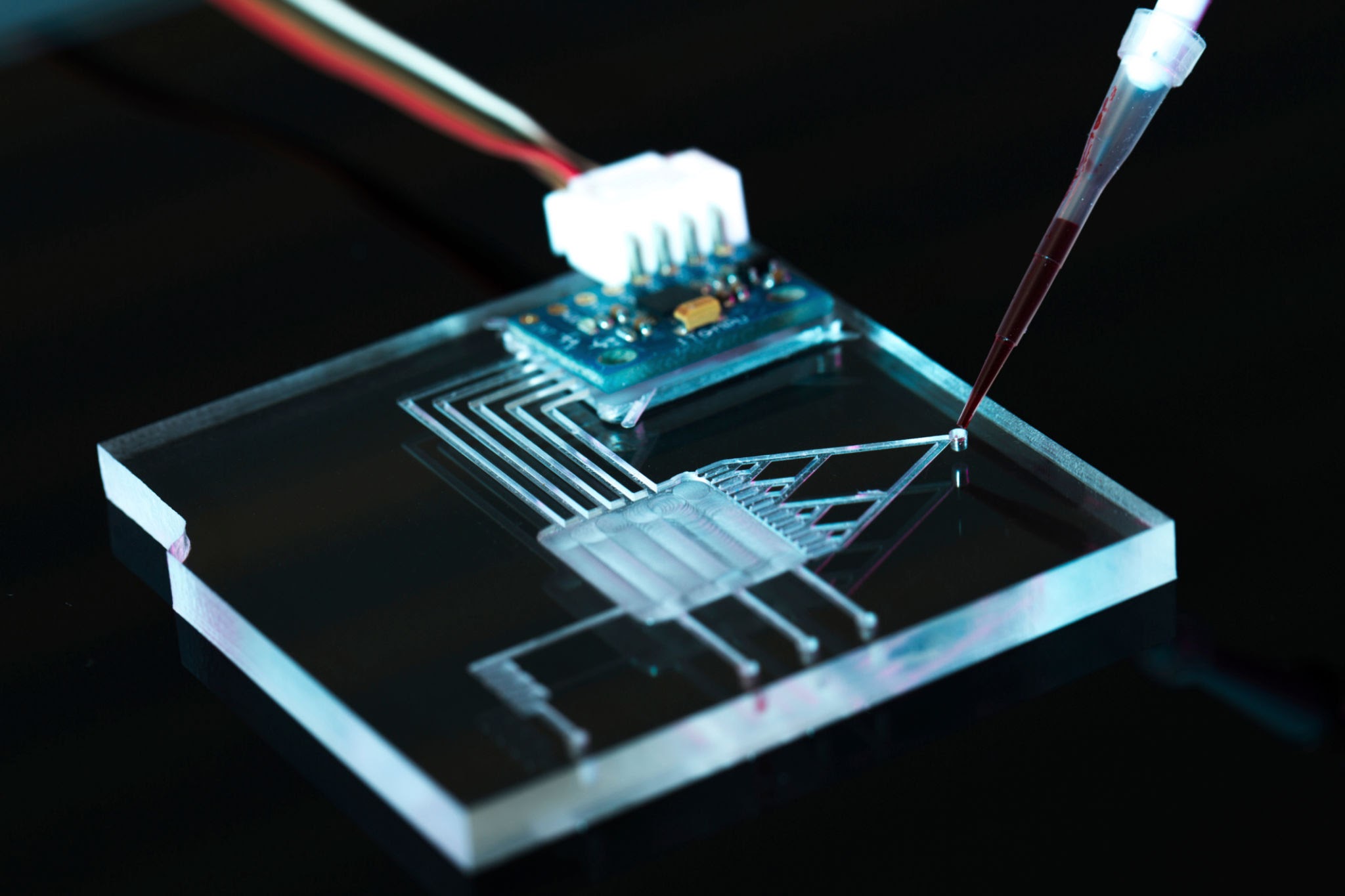
23 Nov Scaling Microfluidic Reactors From Benchtop Proofs To Production
Continuous flow chemistry offers precise control over reaction kinetics, heat transfer, and stoichiometry. When moving chemical processes into miniaturized channels, reactions that take hours in batch vessels can occur in seconds. Transitioning from small scale experiments to reliable hardware demands an understanding of fluid dynamics and material limits. When engineers evaluate flow behavior and pressure limits during early development, they avoid expensive modifications later. We created this overview to explain how fluid principles shape physical designs and how early decisions streamline development schedules.
Optimizing Microfluidic Channel Design For Continuous Flow
Precision fluid control depends directly on your choice of channel geometries. During early layout planning, every corner, bend, and junction influences how reagents blend. If you rely solely on passive diffusion, wide channels can create uneven concentration profiles that slow down chemical reactions. Integrating active features like herringbones or staggered grooves creates chaotic advection, ensuring thorough mixing across short flow paths.
Pressure distribution throughout the network also plays a critical role in system stability. Narrow channels increase fluidic resistance, which elevates internal pressure and risks channel deformation or seal failure. Balancing physical dimensions with fluid flow rates keeps operational pressures within safe margins while maintaining optimal residence times for reactions.
Here are essential design parameters we review before finalizing physical layouts:
- Channel aspect ratios to maintain uniform flow velocity profiles
- Junction angles to optimize fluid mixing without creating stagnation zones
- Hydraulic radius calculations to manage pressure drops along flow paths
- Wall thickness ratios to prevent structural flexing under elevated pressure
- Thermal dissipation surface area to ensure rapid heat removal during exothermic reactions
Evaluating these geometric parameters early ensures consistent chemical throughput and prevents flow imbalances during operation.
Overcoming Challenges When Scaling Microfluidic Reactors
Scaling continuous flow chemistry requires a different strategy than traditional chemical manufacturing. In macro scale production, engineers simply build larger tanks. With microfluidic reactors, expanding channel dimensions changes the fundamental physics, ruining thermal transfer and laminar flow dynamics. Instead of making single channels wider, successful scale up relies on numbering up, which means placing parallel channels across a single chip architecture.
Distributing fluid evenly across hundreds of identical channels presents a unique engineering challenge. Slight variance in channel dimensions creates path resistance shifts, driving fluid toward paths of least resistance. This uneven flow causes incomplete reactions in slower channels and pressure spikes in faster ones. Incorporating balanced manifold networks ensures uniform fluid delivery across all active pathways.
We recommend monitoring three specific metrics during multi channel scale up:
- Pressure drop variations across parallel fluid channels
- Heat dissipation consistency across the complete chip surface
- Yield purity comparing single channel runs against multi channel arrays
Addressing these fluidic challenges during early prototyping prevents flow bottlenecks and keeps production moving forward efficiently.
Partnering For Microfluidics Contract Manufacturing
Transitioning from functional prototype to full scale output requires evaluating long term material performance. While initial research chips often use flexible polymers, production units for aggressive chemical synthesis require chemical resistant thermoplastics or glass substrates. Choosing microfluidics contract manufacturing partners early in the development cycle ensures your designs transition smoothly between materials without losing performance.
Moving toward commercial production requires matching channel layouts to scalable fabrication techniques like micro injection molding or precision CNC machining. Adjusting draft angles, corner radiuses, and bonding surfaces during initial development avoids costly tooling revisions. Engaging with an experienced microfluidics contract manufacturing team ensures your devices maintain tight tolerances across every production batch.
You will notice the difference the moment we start the work together. By reviewing channel geometries, fluid resistance, and bonding requirements during early development phases, we turn complex fluidic concepts into reliable production hardware. This practical approach keeps projects on schedule and delivers consistent results.
Are you ready to take your continuous flow reactions from lab experiments to scalable physical hardware? Our engineering team brings practical fabrication expertise to every project, helping you refine channel geometries, select ideal materials, and scale production seamlessly. Contact us today to discuss your project requirements, evaluate your design files with our engineering team, and plan your production path.